I recently watched Joko Anwar’s latest film, Ghost in the Cell, in a dimly lit underground cinema on the southern tip of Manhattan. When I left the theatre, the sky was dreary and the ground wet. What was supposed to be a nice autumn day had become soaked by temperamental weather. I recalled home – Jakarta – where endless, perhaps timeless, rain is the norm. Of course, during my recent visit home to Jakarta, the skies were silent and dry. The air was hot, arid, almost suffocating.
As I walked across the Brooklyn Bridge, the wind carried the sounds of the city. My thoughts were clouded by the unexpected weather juxtaposing New York and Jakarta. If I were more superstitious, I might guess we were getting our just deserts. The planet, the ghosts we’ve buried, come to haunt us for our transgressions.
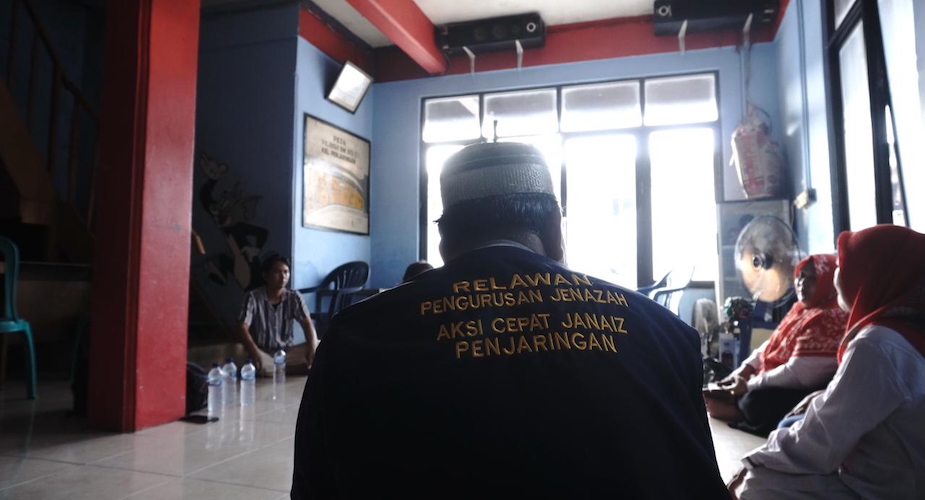
This is the thread upon which Ghost in the Cell unfolds. The movie opens with Dimas, a journalist, investigating mysterious deaths near an illegal nickel mine in Kalimantan. His editor rejects the article, asking him to prune the ecological and human elements and focus only on the economic issues. A ghost appears, and the story begins.
It’s a fast-paced film that jumps between horrific gore, engrossing action, and comedic relief – even if some of the humour may be a little crass at times.
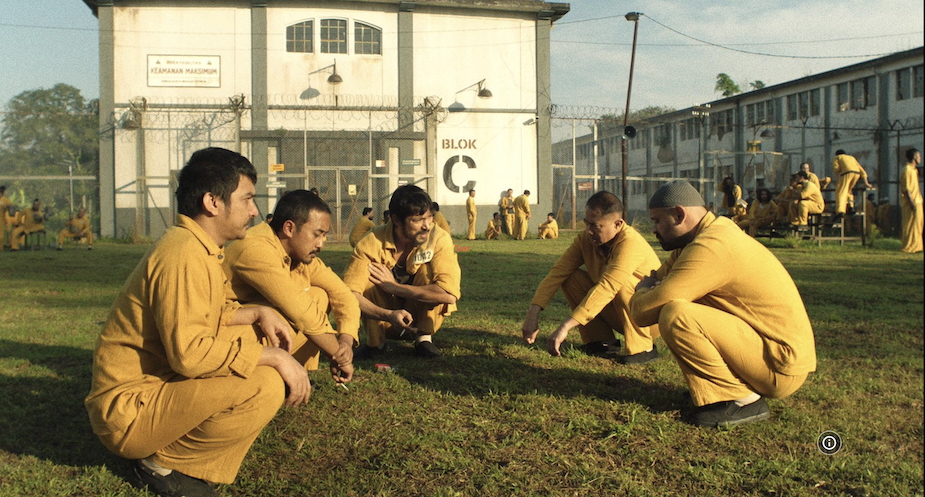
The movie is littered with thinly veiled critiques of Indonesian society and its power structures - from a prisoner divulging their hidden intelligence, citing that it’s easier to be quiet in Indonesia, to the revelation of the luxurious cells that house imprisoned bureaucrats. The timing of the film’s release and rise, alongside news of actual luxury prisons being uncovered near Jakarta and the torrent of fires plaguing the archipelago, gives the movie an almost prophetic aura. The irony is that none of this is new. This realisation itself brings an unsettling, authentic dread to the film, and it does not shy away from it.
The critique strikes sharpest when Anggoro, the moral leader of the protagonists, keeps extending his prison sentence by acting out. He should have been released sooner, yet it seems he doesn’t want to leave. To him, the rules of the outside world make less sense than the laws of prison.
The prisoners, split between various factions, are kept in line by the chief guard who mimics the average schoolyard bully. Quick-tempered, violent, and subtly pompous. He’s the foil for Anggoro, as it’s implied that the chief guard finds comfort in this perverse world he supposedly runs. Among the inmates, there is very little conversation about getting out, partially because the system won’t deliver justice, but more so because the freedom offered outside has become rotten to them. Outside of society, the cracks we accept as everyday life are revealed to be crevasses, deep ravines in which the innocent and guilty alike find themselves thrown in by the more powerful.
The head of the prison is an incompetent brown-nose who aspires to become a minor bureaucrat. He is pathetic, and that’s the point.
The ensemble cast, which includes actors who reflect well on the archipelago’s diversity, is completed by the most important character we do not see – the ghost.
There are no jump scares. At least, none that shocked me, and I’m a wimp. There are, however, gory visuals when various individuals succumb to the violence of the ghost. As the prisoners fight each other while trying to abate the angry apparition, their actions force the audience to ask the film’s driving question: what is more believable – the existence of sinister spirits or the possibility that Indonesia can change?
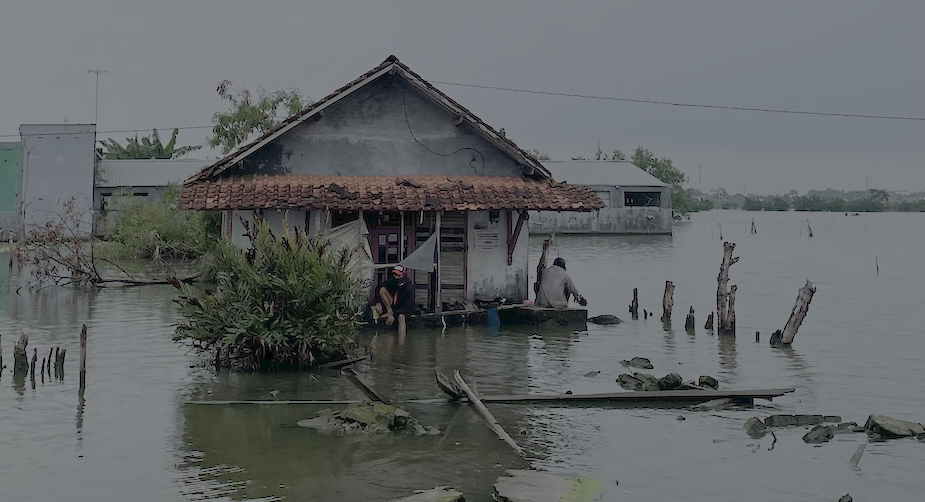
Dimas, the journalist who begins the film, was not allowed to tell the human and ecological story, so the ghost tells it for us. The film illustrates that society and politics are intimately entwined with our environment.
Ghost in the Cell had its world premiere in Berlin in February 2026 and is currently on limited release in the United States and streaming in Australia elsewhere. The film features excellent colour grading, well-placed musical sequences, and earnest dialogue. The prison is made into a universe unto itself, and its suffocating atmosphere translates successfully across the screen.
The film’s true creative success is not only in its aesthetics but also in the techniques it employs to deliver a message of moral clarity. The ghost reveals what humans all know too well but all too often forget. Ghosts were once people, and people are just one of many inhabitants on this planet. The supernatural is supernatural and the natural world is our only world. The artificial barriers we cast between ourselves, spirits, and our surroundings only serve to disillusion us. We share a reciprocal relationship with our planet and the spirits that inhabit it.
Ghost in the Cell should not be viewed in a vacuum. It draws on Indonesia's rich horror tradition, creating space for taboo issues to be considered openly in an archipelago that has not always welcomed such discourse. From the infamous Pocong to Intan Paramaditha’s feminist horror to Anwar’s gory films, Indonesian horror provides a model that can succeed commercially, artistically, and politically. All in all, this is a film worth watching, with a lesson worth heeding.
If we do not speak up, the ghosts around will remain restless.
Ghost in the Cell | Joko Anwar | Indonesia | 2026
Dakota Sinder (dakotasinder8@gmail.com) is an Indonesian American writer based in New York. His first book, The Most Gentle People, comes out in late 2026. He is the author of Indo Nesos, a newsletter covering Indonesian culture, history, and perspectives.