In Aceh, tensions boil over between locals and the Rohingya refugees they once generously took in
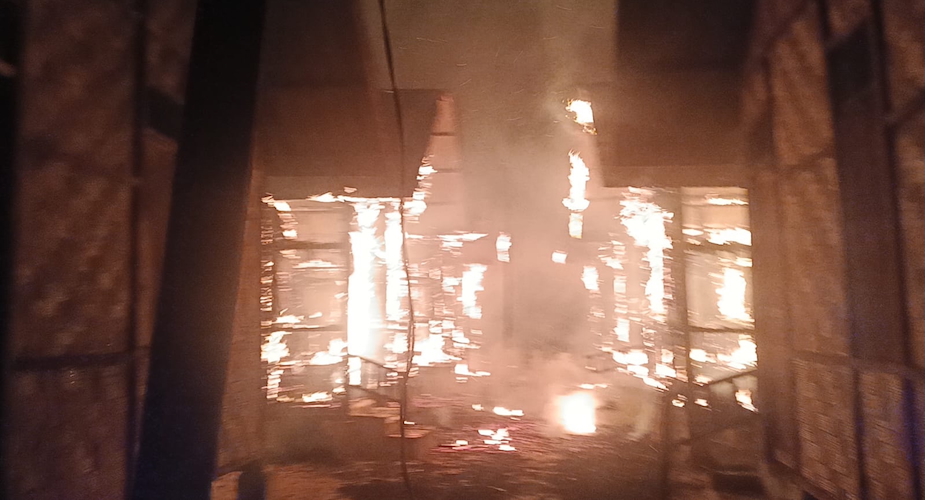
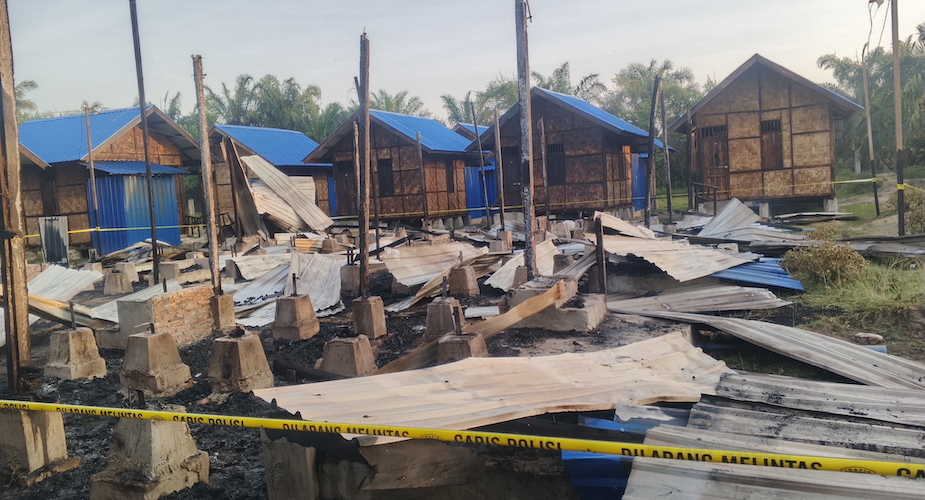
On 26 March 2026 in the dark of night, six bamboo houses in a Rohingya refugee shelter in Seuneubok Rawang Village in Aceh Timur Regency caught alight. The incident took place just a week after Eid al-Fitr, a celebration observed by the predominantly Muslim communities of Aceh and the Rohingya. The makeshift houses were burnt to ashes while the shelter’s residents watched on in confusion. Local authorities acted quickly to prevent the news of the incident from spreading, asking those who had taken pictures and videos to delete them and suggesting that people refrain from sharing the information with others, including the media and local NGOs.
Fortunately, these houses were not yet inhabited. The brand new structures were awaiting the arrival of refugees being relocated from the Lhokseumawe Regency’s shelter. While the incident showed signs of arson, investigations by authorities did not identify the perpetrators.
The Seuneubok Rawang village shelter in East Aceh Regency is a sanctuary for hundreds of Rohingya refugees, who mainly arrived between February 2024 and January 2025. Over this period, there were five separate –landings – 680 refugees in total – making it one of one of the highest number of maritime refugee arrivals across all of Aceh.
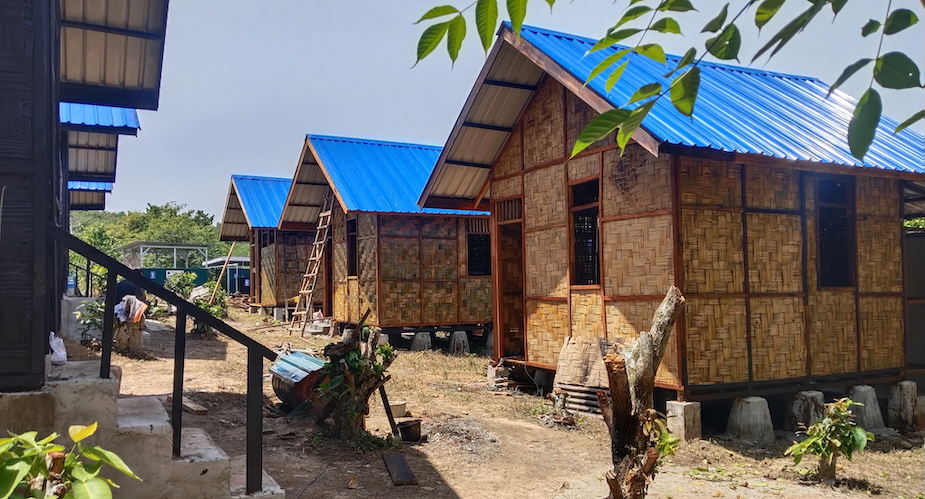
The sudden influx of refugees put significant pressure on the local communities in East Aceh. International organisations, domestic non-government organisations, and local authorities provided assistance, and eventually managed to secure the cooperation of the local people. The Seuneubok Rawang Village shelter was established in November 2024.
Best practice
In early 2025 we carried out fieldwork in the area and found the Seuneubok Rawang Village shelter may have been an example of best practice in terms of the levels of cooperation among various stakeholders in Indonesian local refugee management. Refugees were housed in semi-permanent tents on land near the village and moved to more permanent bamboo huts sometime later. Water and sanitation facilities were provided although maintaining the cleanliness within such a makeshift camp with hundreds of residents, remained a challenge.
The locals were friendly. Some refugees were able to find small jobs, such as working with local fishers to earn extra income. Some villagers even treated refugee children to a trip to the city to entertain them and relieve them from the boredom. Simple stalls popped up near the shelter selling cold beverages and noodles. Village authorities provided security to monitor shelter activities. Community mobilisers helped nurture locals' and refugees' relationships.
Gradually, the number of Rawang shelter residents decreased as some refugees continued their journey to Pekanbaru City in the neighbouring Riau Province or as far as Malaysia. Some villagers felt disrespected by those they described as ‘runaway’ Rohingya refugees. By April 2026, the number of residents in the Rawang Village shelter was reduced to only 215 refugees.
The arson case in March was a culmination of simmering tensions between the refugees and the villagers around the Seunebok Rawang Village shelter. Around the end of 2025, the villagers began to distance themselves from the refugees, citing Rohingya refugees’ norm-breaching conduct as the reason. Around this time villagers discovered that an unmarried Rohingya woman who had already voluntarily moved to Pekanbaru city, had returned to the village and was pregnant. The news caused uproar among the conservative Muslim communities, both the locals and the refugees. Rumour spread that a Rohingya youth was the biological father of the baby. Tensions rose to such a point that a local NGO arranged to smuggle the man out of Aceh. The United Nations High Commissioner for Refugees (UNHCR) put the woman in a safe house until she delivered the baby in January 2026 and then relocated her to another shelter. The social tension, however, did not end. Other refugees in the shelter believed that the locals had distanced themselves and no longer offered them small jobs providing much needed extra income.
Other than norm-breaking, villagers’ dissatisfaction towards the guest community and also the UNHCR and International Organisation for Migration (IOM) as the leading institutions in refugee protection, was due to the nullification of the role of people as ‘community mobilisers.’ Community mobilisers are people appointed as social liaisons, communication bridges, and early warning systems for potential conflict between refugees and the local community. The Seuneubok Rawang shelter was previously allotted three community mobilisers who were recruited in coordination with the village authorities. UNHCR and IOM budget cuts in early 2026 resulted in the discontinuation of these roles. The loss of meditators with close ties to local communities left a significant gap in the management of social relations between the groups.
Once a hopeful and celebrated example, destruction of the shelter’s new houses is symbolic of growing tension and the fragility of social relations in Seuneubok Rawang.
A once generous welcome, now waning
For almost a decade Acehnese were applauded for their generosity to Rohingya refugees for offering help to those stranded in the Aceh waters to land and seek refuge. Citing solidarity, humanity, religious identity and cultural norms, since 2015 Acehnese from various communities acted as hosts to waves of Rohingya refugees.
A common practice was soon established whereby following their initial welcome Rohingya refugees were moved to ‘transit’ shelters across Aceh. The largest shelter in use since the end of 2022 is in an abandoned orphanage belonging to Yayasan Mina Raya in Pidie Regency. Since November 2024, shelters, including the ex-immigration office building in Lhokseumawe City and Seuneubok Rawang village in East Aceh Regency have welcomed refugees.
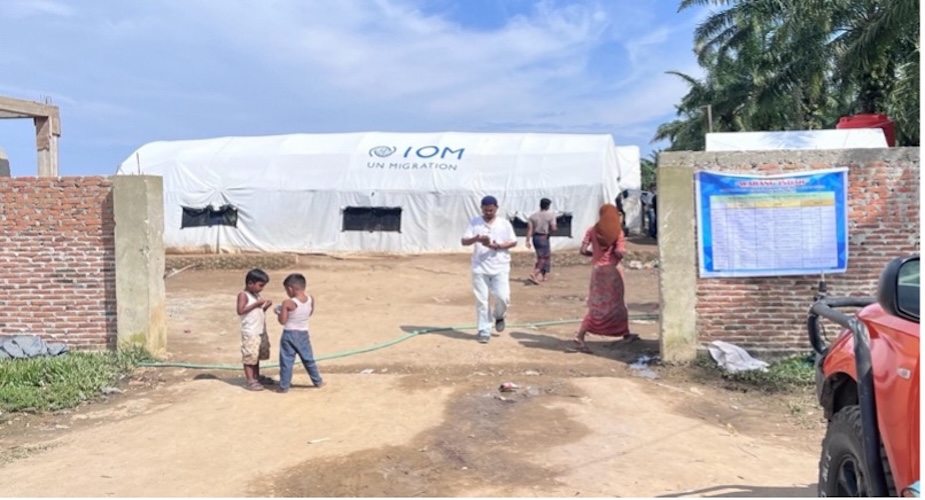
Cooperation between the local authorities and villagers is key to shelter management. The UNHCR coordinates the shelter operation while the sites are provided by government or rented from local communities. IOM handles the logistics of the shelter infrastructures in cooperation with local NGOs in the area, such as YKMI (Yayasan Kemanusiaan Madani Indonesia) as an implementing partner. Others, including JRS (Jesuit Refugee Service) and Geutanyoe also provide assistance with specific needs.
Sites for shelters for the refugees, as well as the type of infrastructure, can be temporary or semi-permanent depending on the social dynamics and cooperation from the local authorities. Usually, the local community also benefits from the existence of the shelter through paid services such as patrol personnel, catering or rentals of miscellaneous items.
For the last few years, however, Rohingya refugees have no longer found a peaceful refuge in Aceh. Since 2022, as national political tensions increased in anticipation of the 2024 elections and as the influx of refugees arriving by sea continued due to worsening violence in Bangladesh and Myanmar, Acehnese solidarity towards the Rohingya began to wane.
Across the province, newly arrived Rohingya refugees were no longer welcomed. Instead, the locals responded with pushbacks on the water and open hostilities on the shores. The culmination of this rejection occurred in December 2024, when university students in the capital city, Banda Aceh, forcefully removed Rohingya refugees from an underground carpark in a government building provided as temporary shelter.
The incident coincided with a wave of hate speech and anti-Rohingya refugee propaganda on social media. At the time, we thought, the willingness of Seuneubok Rawang villagers to accommodate Rohingya refugees seemed like a blessing. A situation that a year or so later, turned out to be unsustainable, once the supporting factors – social norms and economic benefits – were removed.
A failure to consult
The arson at the Seuneubok Rawang shelter exposed the mishandling of refugee management in Aceh more generally, and the failure of those agencies involved to consult with or indeed, anticipate how this would impact local communities. The six new bamboo houses in Seuneubok Rawang were to accommodate refugees being relocated from another camp in Lhokseumawe. The arson signalled the locals’ opposition to more refugees being moved to their village.
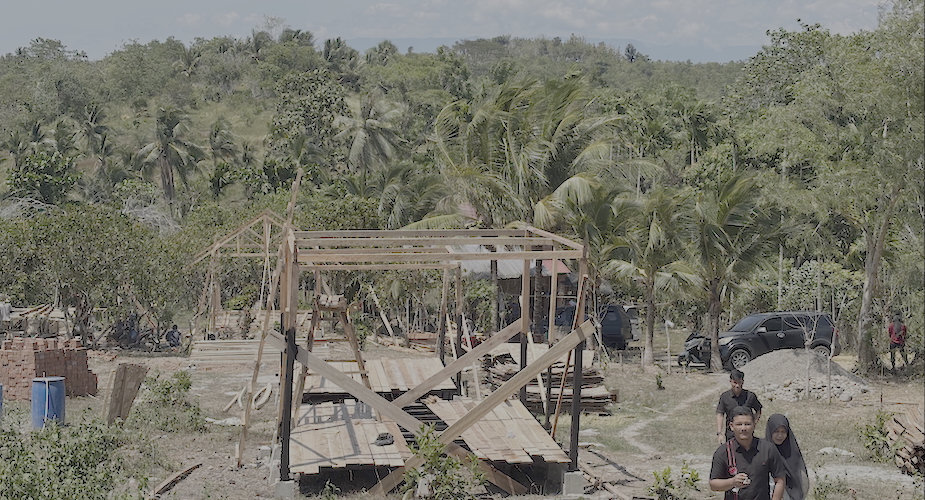
Despite this, the plan to relocate refugees currently living in an unused government building in Lhokseumawe City is ongoing. The government located a new site in Lhokseumawe City following an offer from the pesantren (Islamic boarding school) Dayah Zurriyatul Qur’ani Al Ma’arif, of a three-hectare site located in Mesjid Puntet village, Blang Mangat. The location, however, is far from ideal, at around a 30-minute drive from the main road.
The new site will accommodate the 85 refugees, 44 men and 41 women, currently camped at the ex-immigration office’s Lhokseumawe City shelter. As the land in Mesjid Puntet village is a relatively large site, the plan includes allowing the refugees to farm and raise livestock on a small scale. Various humanitarian agencies are involved in the preparation. IOM and JRS will build houses or huts and provide electricity. YKMI will provide clean water, while Medical Emergency Rescue Committee (MER-C) a national NGO, will establish a health facility. However, several challenges remain, including insufficient huts, limited road access and minimal local government involvement in daily operation of the shelter. So far there is a lack of clarity around the size of the land allocated for each household or resident, resource management, and, more importantly, the potential influx of refugees from other places who want to move to the land given the potential benefits that await. Without planning led by evidence-based research and processes, these future problems will be difficult to overcome.
The missing piece
The experience in the Seuneubok Rawang shelter and across Aceh more broadly, demonstrates that building social relations between refugees and local communities is just as important as material assistance. If there is insufficient attention given to social dynamic aspects, humanitarian interventions may potentially incite social tensions. The Seuneubok Rawang shelter experience shows that social vulnerability does not originate solely from individuals' misconduct, but from a combination of structural factors, such as the absence of sustainable mediation mechanisms, policy uncertainty, and a humanitarian approach that does not fully consider long-term social dynamics. Humanitarian responses to date have tended to only focus on meeting basic needs such as shelter, food and healthcare.
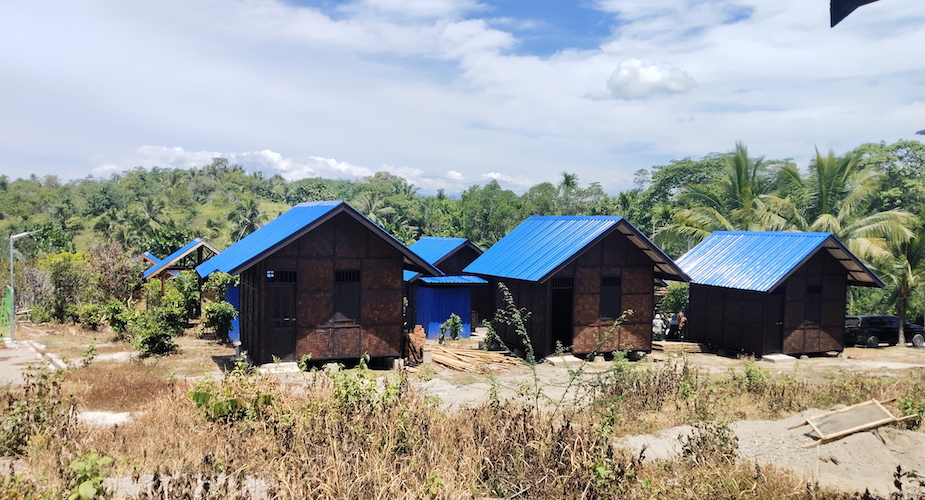
Going forward, a more holistic approach is needed. Key elements in maintaining social stability include reinvigorating mediators like community mobilisers, maintaining transparency in handling sensitive cases, and the active involvement of local governments. Building spaces for dialogue and trust between communities must also be an integral part of every humanitarian intervention. Aceh may still be a relatively safe area for Rohingya refugees, but security is not just the absence of open conflict; it also depends on the maintenance of social relations. Currently, these relations exhibit signs of fragility that demand attention. This social vulnerability stems not only from the refugee situation but also from systemic failures—whether in humanitarian governance, governance or social communication.
Agustia Rahmi (agustia.arifinb93@gmail.com) is the founder and executive director of Yayasan Solidaritas Aksi Peduli (YSAP), focusing on refugee protection, child protection, and community-based humanitarian initiatives in Aceh. Nino Viartasiwi (nino.viartasiwi@president.ac.id) is an academic at the International Relations Study Program of President University and currently (2026-2027) a visiting scholar at GRIPS, Japan, under the JFSEAP Visiting Fellowship Program.