Are we building a golden future or a burnt-out generation?
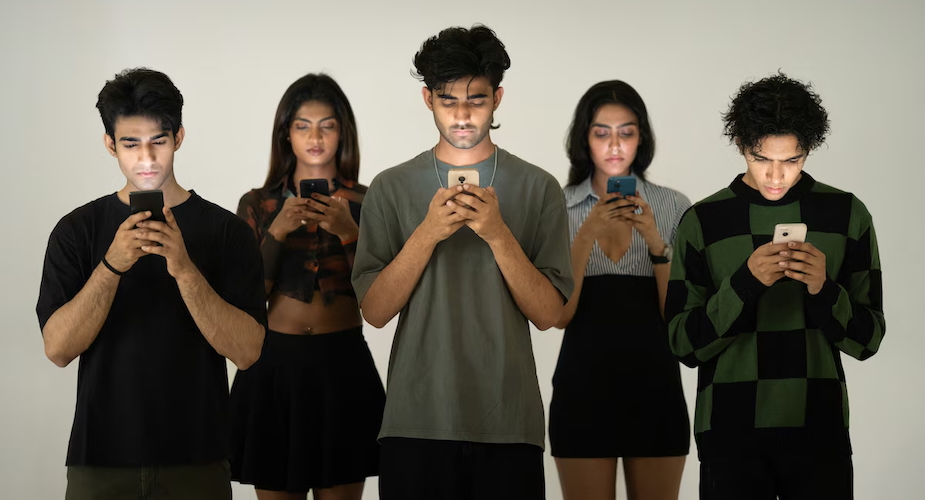
On a quiet night, a student in Indonesia scrolls through her phone before going to sleep. One video shows someone her age receiving a scholarship. Another shows a young entrepreneur building a business. Then comes another: a perfectly curated morning routine, a productive day, a seemingly perfect life.
She knows social media does not show the full picture. Yet the feeling remains.
‘Why does it seem like everyone is moving faster than me?’
For many young Indonesians, this question has become increasingly familiar.
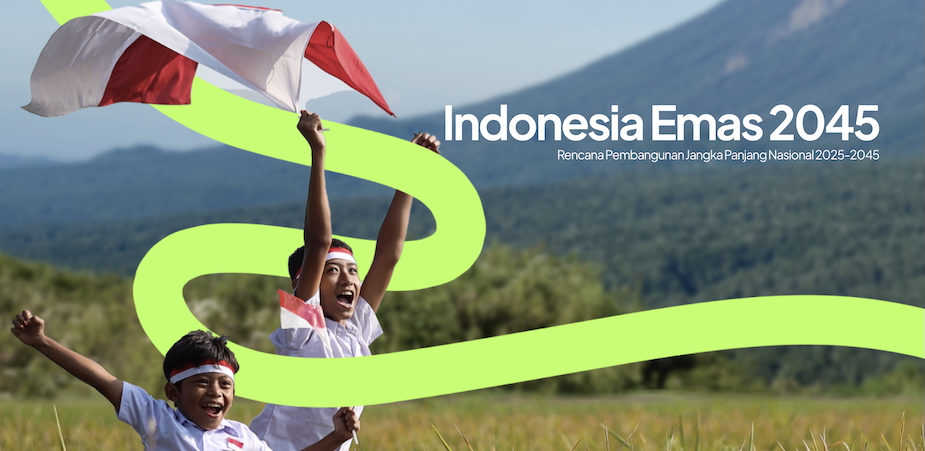
Indonesia is currently moving toward Indonesia Emas 2045, a national vision centred on economic growth, technological advancement, and global competitiveness. Discussions about this vision often focus on infrastructure, innovation, and economic development. But there is another question worth asking: how are young Indonesians experiencing this future in their daily lives?
This article draws on interviews with four Indonesian young people aged 16-21 years, personal observations, and existing research on social media and youth wellbeing.
As a university student, I often hear conversations about burnout, productivity pressure, and the feeling of constantly being left behind. These conversations usually happen casually between friends, but they reveal something important about the realities of growing up in an increasingly digital world.
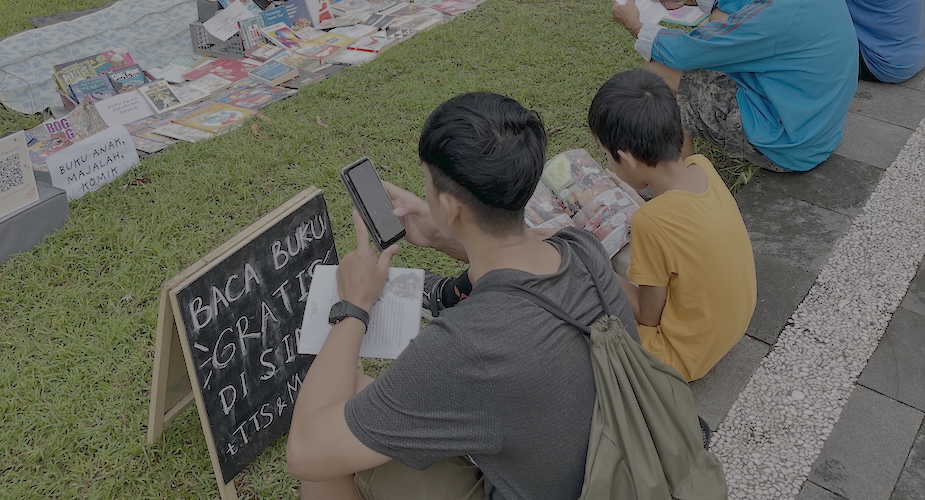
Social media platforms such as TikTok, Instagram, and X have become part of everyday life. They help people learn new skills, connect with others, find opportunities, and express themselves. At the same time, they have also become spaces where success, beauty, and achievement are constantly displayed and compared.
Researcher Amy Orben and her colleagues argue that the relationship between social media and adolescent mental health is far more complicated than simply asking whether social media is good or bad. Different experiences online can affect young people in different ways, particularly during a period when many are still developing their identities.
The experiences shared by the four participants interviewed for this article reflect this complexity.
A 16-year-old high school student who regularly uses TikTok and Instagram described social media as both helpful and exhausting.
‘I know that most of what people post online is curated and doesn’t show their real life. But sometimes it still affects me. I often compare myself to girls who seem prettier, more confident, or more successful. Beauty standards on social media can make you feel like you’re never enough.’
For her, the pressure is not only about achievements. It is also about appearance.
Her experience reflects findings from research by Danielle Arigo and colleagues, who found that social comparison plays an important role in emotional wellbeing. People often compare themselves with those they see as more successful, attractive, or accomplished, and these comparisons can influence how they feel about themselves.
However, social media is not experienced in the same way by everyone.
A 21-year-old university student described herself as fortunate to be growing up during a period of rapid technological development.
‘I feel lucky to live in this era. I can learn almost anything online, access opportunities, and connect with people beyond my immediate environment. But at the same time, social media sometimes makes me question my own progress when I see people my age achieving so much.’
Her experience highlights one of the contradictions of digital life. The same platforms that provide opportunities can also become sources of pressure.
Research on adolescent social media use has shown that digital platforms can support learning, social connection, and personal development. However, these benefits often depend on how individuals use them and how they manage the pressures that come with constant connectivity.
A different concern emerged from a 20-year-old university student with an interest in technology and digital literacy. According to him, technological progress will only be meaningful if it is accompanied by improvements in digital literacy and critical thinking.
‘Technology itself is not the problem. The problem is when people use it without understanding how it affects them. Many young people follow trends without thinking critically about what they consume. If our human resources don’t develop alongside technology, digital progress may end up controlling us rather than helping us.’
His comments point to a broader challenge facing Indonesia’s digital future. Building technology is one thing; preparing people to use it wisely is another.
The fourth participant, a 20-year-old university student, offered a more balanced perspective.
‘I think technology has made life easier in many ways. I use it every day for studying, communication, and finding information. But I also notice how easy it is to lose hours scrolling without any real purpose. The challenge is learning how to stay in control.’
His observation reflects a concern that many young people recognise. The issue is not necessarily technology itself, but the habits that develop around it.
Taken together, these interviews suggest that young Indonesians are not rejecting digital progress. On the contrary, they appreciate the opportunities it creates. What concerns them is the pressure that can come with living in a highly connected world. This pressure often appears in subtle ways.
Students are expected to perform well academically, build skills, prepare for future careers, stay active online, and keep up with rapidly changing trends. Young adults are encouraged to be productive, adaptable, and constantly improving. In such an environment, rest can sometimes feel unproductive.
Communication does more than deliver information. It shapes how people understand themselves and others. In digital spaces, what receives attention often becomes what is valued. Success becomes highly visible, and so does comparison.
A dynamic not unique to Indonesia
South Korea provides an interesting example for comparison with Indonesia's situation. As one of the world’s most digitally connected societies, South Korea has also faced growing public discussion about youth mental health, academic pressure, and the emotional impact of highly competitive environments.
Indonesia is not South Korea, and the two countries differ in many ways. However, the comparison reminds us that technological advancement does not automatically lead to wellbeing. As Indonesia moves closer to 2045, discussions about development will continue to focus on economic growth, infrastructure, and innovation. These goals are important.
But development is not experienced through statistics alone. It is experienced through the lives of the people expected to build that future.
The interviews featured in this article suggest that young Indonesians are already negotiating both the opportunities and challenges of an increasingly digital society. Some find inspiration and opportunity online. Others experience comparison and pressure. Most experience both.
Indonesia Emas 2045 remains a vision rather than a fixed outcome. This creates an opportunity not only to invest in technology and economic growth but also to think seriously about the wellbeing of the people who will inherit that future.
The challenge is not simply whether Indonesia can become a developed nation by 2045. The challenge is whether the people inside that future will feel supported, connected, and mentally present within it. A truly golden future may require more than productive citizens. It may also require a generation that is able to grow, succeed, and remain well in the process.
Danisa Aisy Nayandini (nayyaaisyy@gmail.com) is an undergraduate Communication Studies student at President University. Her interests include digital communication, youth culture, social media, and mental health.
This article is part of a series focused on writings by and about Indonesia's young people.