


Politics

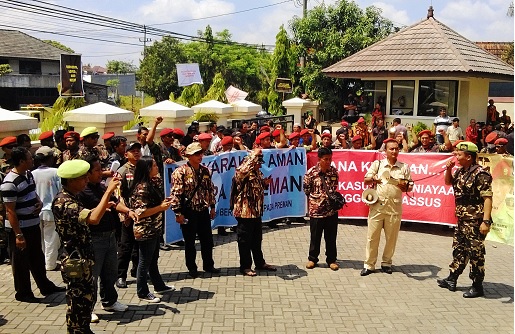
Defending murder
A marriage of convenience lies behind a campaign to defend Kopassus soldiers on trial for murder in Yogyakarta
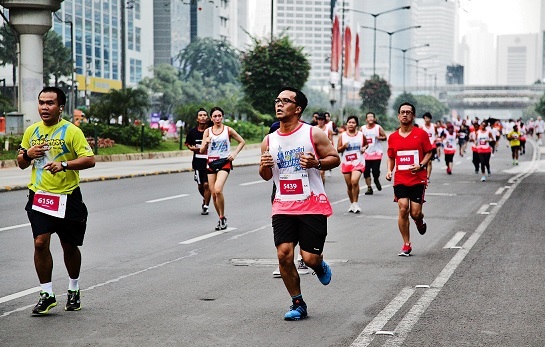
Running in style
A new bug for running points toward a new politics of lifestyle
Sex, lies and politicians
Indonesian politicians quite often star inadvertently in porn films, but it doesn’t seem to hurt them much
Impossible ideal?
Cosmopolitanism is a dirty word in rural West Java, where creativity and new words are needed to reopen dialogue
After justice
What happens after three police officers are found guilty of manslaughter and torture?
Stopping intolerance
Government must act to halt growing discrimination against minorities
Overprotection is not the answer
Food self-sufficiency in Indonesia is a valid problem but so far the government has only provided counterproductive solutions
ajiguna resized
Rahmat Ajiguna talks to Eve Warburton about the need to make farmers the centre of food security in Indonesia
Indonesia’s new anarchists
Insurrectionary anarchists, with international connections, nihilist values and a penchant for arson, are moving to fill the vacuum on the left
Ari’s audacity
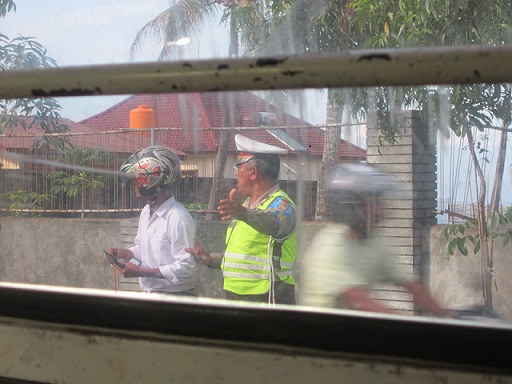
How can you be a straight cop when people just give you money?
Strange bedfellows
An unlikely alliance between former rebels and a former New Order tormentor will test the limits of Partai Aceh loyalty
More than a fatal attraction
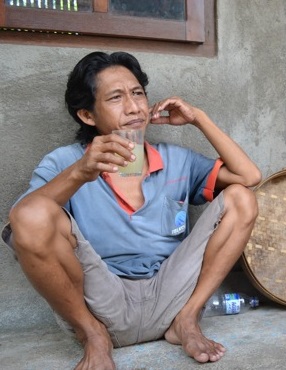
Outsiders see arak consumption as a highly dangerous activity, but arak plays an important role in Balinese society
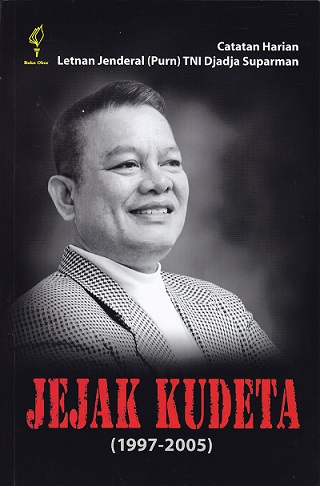
Review: Lieutenant General Djaja Suparman tells his story
Editor’s note: For Indonesia-watchers the activities of the military and its leaders remain largely opaque and perhaps even menacing. In recent years the steady stream of memoirs and biographies by and about military leaders has, in some cases, assuaged some of this mystery and in others, added to the intrigue. As the public and judicial gaze has increasingly turned to the actions of military leaders with connections to the New Order, the memoir has been engaged by some as a form of testimony in an effort to ‘clear their name’. Whatever the motivation, with each new addition to this genre, we are offered new insights into the fractious and often treacherous ‘interior’ world of the Indonesian Armed Forces. Suparman holds the line but reveals some new insights into the transition of power after the fall of the New Order
Big prison, little prison
Stories from Papua’s political prisoners show life at the edge of freedom